
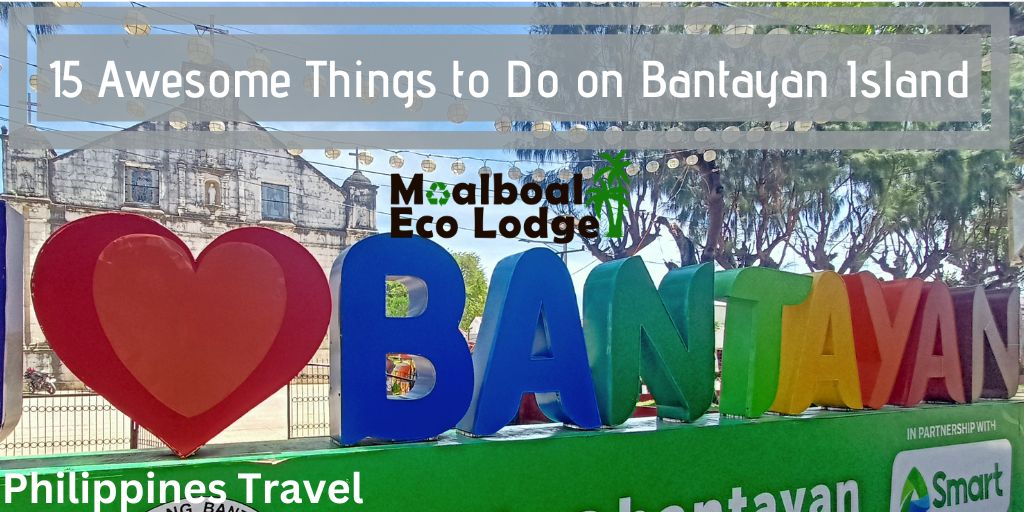
 Bantayan Island is Philippine paradise personified. Some say it's the Boracay of the South, and it's certainly deserving of the name due to its picture perfect beaches. One thing is certain, Bantayan Island is the jewel in Cebu's crown.
Powder Soft white sands, palm tree lined shores, aquamarine waters and a laid back vibe make this island a gorgeous place to visit. There are many awesome things to do on Bantayan Island besides topping up your tan, you can stroll through the mangroves, explore the island to discover secret beaches, go cliff jumping, and there’s even sky diving for adventure seekers! This off the beaten track tourist destination is located only an hour's boat ride off the northern tip of Cebu. It’s definitely worth adding to your Cebu itinerary if you want to relax on some of the best beaches in the Province, and eat amazing food at reasonable prices. Moalboal Eco Lodge share 15 awesome things to do on Bantayan Island, Cebu, Philippines.
0 Comments
 So you’ve bought your flight ticket, your accommodation is booked, and you are excited about travelling to the Philippines!
There are over 7,000 islands that make up the Philippines, many are bursting with white sand beaches, warm turquoise oceans, stunning waterfalls to swim in, gorgeous mountain views, and of course palm trees for that quintessential tropical island feel. To make your life easier, Moalboal Eco Lodge have compiled a list of essential items you need to pack for travel in the Philippines, some of which you may not have considered! 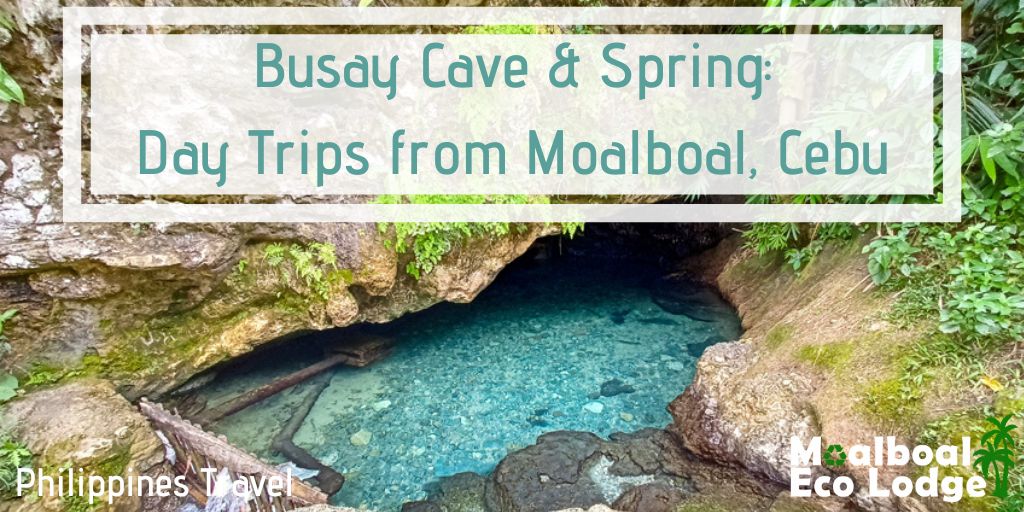
Busay Cave and Spring is a hidden gem, and is one of the fun things to do in Moalboal. Regarded as one of the secrets of Cebu, this off the beaten track tourist destination is well known by locals. The underground spring supplies the nearby town with its water supply, but is also a fabulous cave in which you can swim.
The rock pool at the cave entrance has a cold water spring with crystal clear water, and it's just inviting you to jump in for a refreshing dip on a hot day. Located in Barangay Busay, Moalboal, Busay Cave and Spring is easy to reach, and is an excellent addition to your Cebu itinerary. Due to its location, you can twin this adventure with Lambug Beach, Montpeller Falls, Cambais Falls etc if you are chasing waterfalls in the south. In a series of articles showing day trips from Moalboal, if finding hidden gems and sharing local experiences is on your agenda, Moalboal Eco Lodge share all you need to know about Busay Cave and Spring . 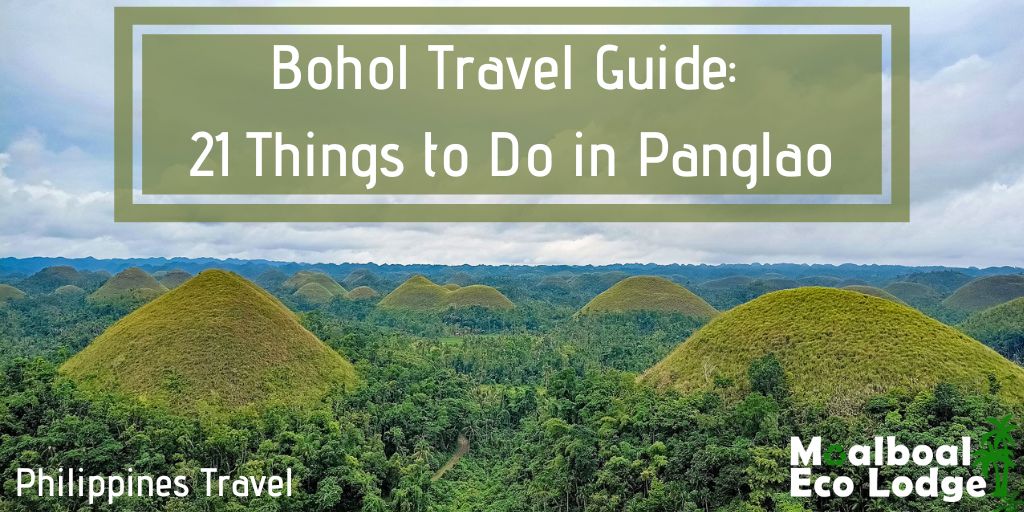
Bohol is one of the most famous islands to visit in the Philippines, and it's easy to see why.
There are many beautiful tourist spots in Bohol, from the famous chocolate hills to waterfalls, white sand beaches and hidden caves. Bohol is an adventurer’s playground! You could easily spend a week travelling around this deceptively large island, which is the 10th largest in the Philippines. We based ourselves in Panglao for four nights to relax, take time to enjoy ourselves, and appreciate slow travel. Moalboal Eco Lodge share a complete Bohol travel guide to Panglao, and all you need to know about south Bohol. We will tell you how to get to Bohol, how to travel around, the best time to visit Bohol, plus tips on where to stay and the best places to eat in Panglao. We show you 21 things to do in Panglao, to help you plan your perfect Bohol itinerary. 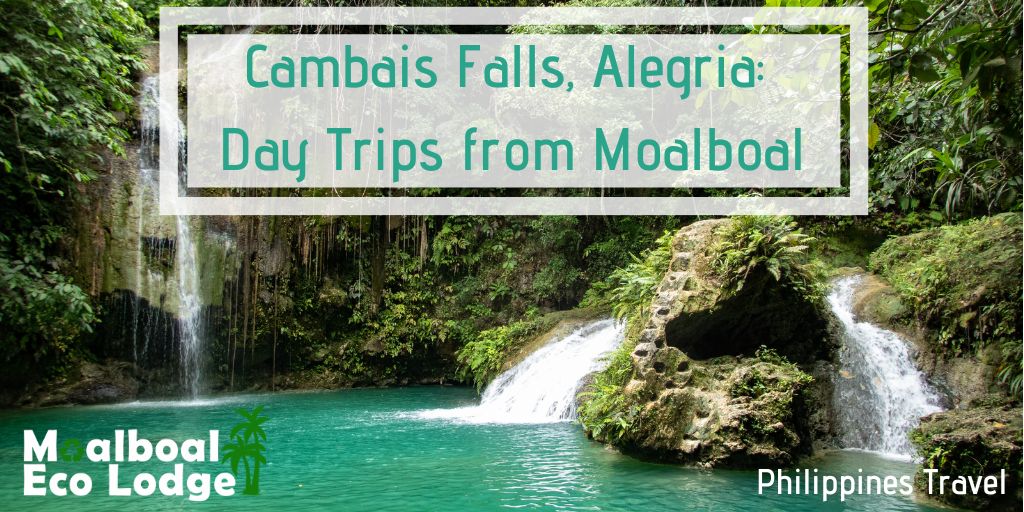
Cambais Falls in Alegria is a place for nature lovers! Located in a picturesque jungle setting in South Cebu, at first glance it could be a waterfall from a movie set. It consists of two waterfalls which flow into a stunning turquoise coloured swimming pool surrounded with lush green ferns and trees.
Spending a day chasing waterfalls whilst visiting the Philippines, is definitely one of the awesome things to do in Moalboal. Cambais Falls can easily be twinned with Montpellier Falls, Cambughay Falls, Aguinid Falls, Inambakan Falls, Dao Falls, and should be added to your Cebu itinerary. Many people visit Cambais Falls before a sunset trip to Osmena Peak, others enjoy the refreshing dip after their daytime hike. Cambais Falls is dreamy to look at, and the inviting rock pool is screaming out for a bucket list experience in the Philippines, who wouldn’t want to swim in a jungle waterfall? In a series of articles showing day trips from Moalboal, Moalboal Eco Lodge share why you should add Cambais Falls to your agenda, a hidden gem that shouldn’t be missed. 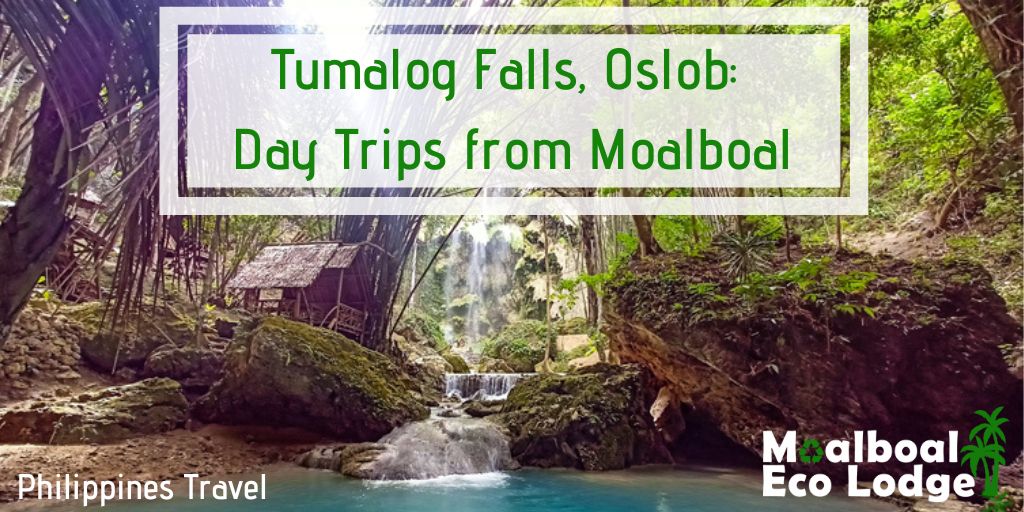
Tumalog Falls in Oslob is a gorgeous single tier curtain waterfall located in South Cebu. If you are chasing waterfalls when visiting the Philippines, Tumalog Falls is one of the most beautiful and impressive, so should definitely be added to your Cebu itinerary. You can easily spend a day visiting other waterfalls in the area such as Kawasan Falls, Aguinid Falls, Inambakan Falls, Dao Falls, Cambais Falls, or the secret Montpellier Falls.
Not only is Tumalog Falls stunning to look at, you can swim in the large refreshing rock pool below. How’s that for a bucket list tick off adventure during your Philippines trip? Tumalog Falls is easy to reach, and is accessible for all ages even for people with a low level of fitness. With it’s beautiful panoramic views from the jump off point, dreamy milky blue pools and jungle surroundings, a visit here should not be missed. In a series of articles showing day trips from Moalboal, Moalboal Eco Lodge will tell you how to get to Tumalog Falls, Oslob, best time to visit, and everything else you may need to know. 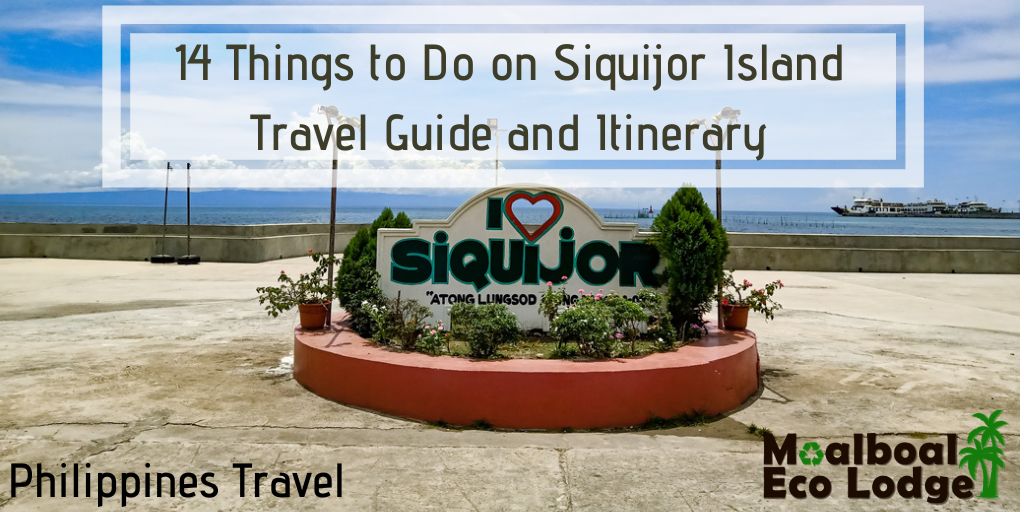
Siquijor Island, also known as the Island of Fire (Isla del Fuego) encompasses everything you imagine when you think of paradise. When I visited Siquijor, my first thought was “welcome to the Philippines”.
This off-the-beaten track hidden gem boasts white sand beaches lined with leaning palm trees, inviting crystal clear waters, and stunning jungle waterfalls to swim in. Siquijor is a mysterious island also known for its witchcraft, healing and spirituality, hence it's other nickname "the Magic Island" Siquijor oozes charm, and it's beauty is partly due to the fact it's not overrun with tourists, despite there being the infrastructure for it. When driving around you will encounter an abundance of trees and jungle areas of all different shapes and sizes, a stunning reminder that the Philippines is a tropical Country. There is a wonderful relaxed, laid back island vibe, people are warm and friendly, and everyone speaks excellent English making it easier to have a laugh and communicate. Moalboal Eco Lodge share a complete travel guide to Siquijor Island. We will tell you 14 of the best things to do on Siquijor, the best tourist spots to visit, how to get there, and where to stay to help you plan your perfect Siquijor itinerary. 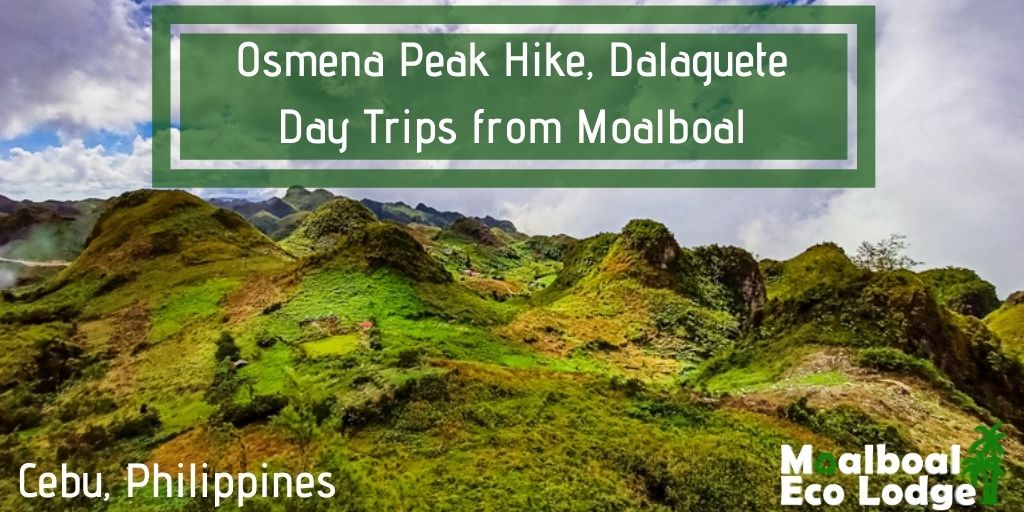
Osmena Peak in Dalaguete is Cebu’s highest point, and has the most beautiful viewpoint in Cebu, Philippines. It’s easy access means anyone of any age or fitness level can marvel at the spectacular 350° panoramic views, and is one of the awesome things to do in Moalboal.
Often compared to Bohol’s famous chocolate hills, a hike to Osmena Peak will reward you with rolling hills, valleys, jagged limestone cliffs, and the beautiful blue ocean in the distance. It’s part of the Mantalongon mountain range, and the “peak” is its highest point. Named after the famous Osmena Clan in Cebu, the cluster of green jagged hills with sharp protruding peaks looks like giant Hershey’s kisses. At 1,072.6 metres above sea level, Osmena Peak is one of the most visited attractions in Cebu, and is the perfect place to visit for nature and adventure lovers. Osmena Peak can be visited any time of day; sunrise, sunset or during the day so it is easy to fit it into your Cebu itinerary. In a series of articles showing day trips from Moalboal, a visit to the highest point in Cebu is a must-see attraction that shouldn’t be missed. Moalboal Eco Lodge share all you need to know about Osmena Peak. |